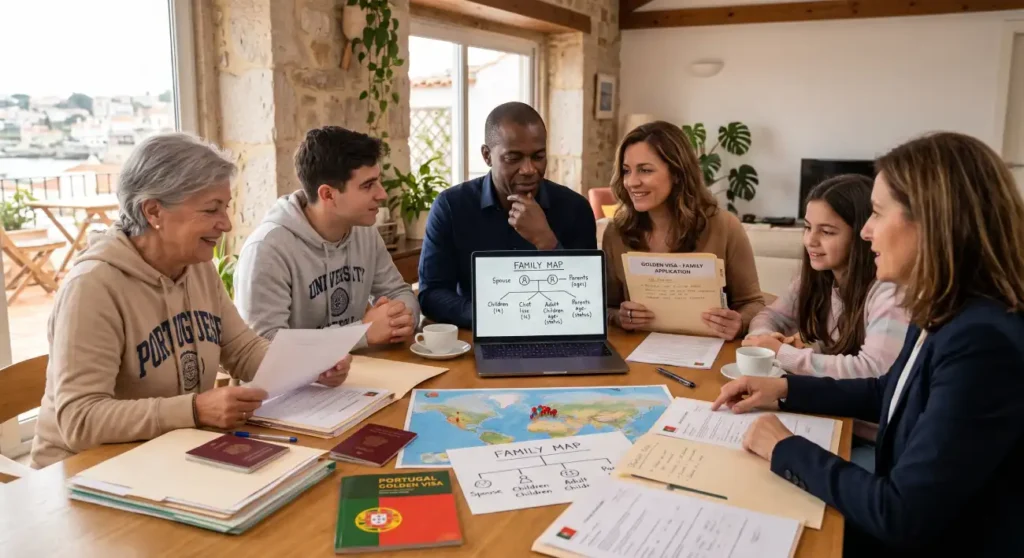

ए पुर्तगाल गोल्डन वीज़ा आवेदन को अक्सर उसकी प्रत्यक्ष आवश्यकताओं के माध्यम से वर्णित किया जाता है: एक योग्य निवेश का चयन करें, आवश्यक दस्तावेज एकत्र करें और एक आवेदन जमा करें।.
यह विवरण तकनीकी रूप से सरल है। लेकिन वास्तविक प्रक्रिया इतनी सरल नहीं है।.
एक सुव्यवस्थित गोल्डन वीजा आवेदन एक समन्वित परियोजना है जिसमें निवेशक, परिवार के सदस्य, बैंक, निवेश निधि प्रबंधक, कानूनी सलाहकार और अनुपालन टीमें शामिल होती हैं। प्रत्येक प्रतिभागी की आवश्यकताएं, दस्तावेज और समयसीमा अलग-अलग होती हैं, लेकिन अंततः उनके निर्णय एक सुसंगत आवेदन में परिणत होने चाहिए।.
आवेदन पत्र उस तैयारी की अंतिम अभिव्यक्ति मात्र है।.
निवेशकों के लिए, दृष्टिकोण में सबसे महत्वपूर्ण बदलाव यह है कि वे गोल्डन वीजा को एक एकल लेनदेन के रूप में देखना बंद कर दें और इसे परस्पर जुड़े हुए कार्यप्रवाहों वाली एक संरचित परियोजना के रूप में मानना शुरू कर दें।.
निवेश महत्वपूर्ण है। कानूनी प्रक्रिया महत्वपूर्ण है। लेकिन इनसे पहले आने वाले हर कदम का क्रम, समय और समन्वय भी उतना ही महत्वपूर्ण है।.
आवेदन पत्र भरने की मानसिकता समस्याएं क्यों पैदा करती है?
फॉर्म से यह धारणा बनती है कि कोई प्रक्रिया जानकारी दर्ज करने पर शुरू होती है और दस्तावेज़ जमा करने पर समाप्त होती है।.
गोल्डन वीजा के लिए आवेदन प्रक्रिया काफी पहले शुरू हो जाती है।.
औपचारिक रूप से आवेदन जमा करने से पहले, निवेशक को इच्छित पारिवारिक संरचना को स्पष्ट करने और एक सुरक्षित करने की आवश्यकता हो सकती है। पुर्तगाली कर पहचान संख्या, बैंक खाता खोलना, हस्तांतरण के लिए धनराशि तैयार करना, अनुपालन प्रक्रियाओं को पूरा करना, निवेश का चयन करना और विभिन्न क्षेत्राधिकारों में व्यक्तिगत दस्तावेज़ों को व्यवस्थित करना।.
ये पृथक प्रशासनिक कार्य नहीं हैं।.
एक क्षेत्र में लिया गया निर्णय दूसरे क्षेत्र को सीधे प्रभावित कर सकता है। परिवार के सदस्यों की संख्या से दस्तावेज़ीकरण का कार्यभार बदल सकता है। निवेशक की बैंकिंग संरचना से निधि हस्तांतरण के तरीके पर प्रभाव पड़ सकता है। पूंजी का स्रोत और स्थान यह निर्धारित कर सकता है कि अनुपालन दल किस प्रकार के साक्ष्य मांगेगा। दस्तावेज़ संग्रह का समय इस बात पर प्रभाव डाल सकता है कि आवेदन तैयार होने पर प्रमाणपत्र वैध रहेंगे या नहीं।.
जब इन निर्भरताओं को शुरू से ही मैप नहीं किया जाता है, तो प्रक्रिया खंडित हो सकती है।.
निवेशक के पास वकील तो हो सकता है, लेकिन बैंकिंग संबंधी तैयारी न हो। बैंक खाता खुला हो सकता है, लेकिन धन के स्रोत से संबंधित दस्तावेज़ अभी पूरे न हों। निवेश का चयन तो हो चुका हो, लेकिन परिवार की संरचना का पूरी तरह से मूल्यांकन न हुआ हो। व्यक्तिगत दस्तावेज़ समय से पहले प्राप्त कर लिए गए हों और उन्हें दोबारा जारी करने की आवश्यकता हो सकती है।.
इनमें से कोई भी स्थिति आवेदन को पूरी तरह से असंभव नहीं बनाती है। हालांकि, इनसे अनावश्यक देरी, काम का दोहराव और अनिश्चितता उत्पन्न हो सकती है।.
गोल्डन वीजा आवेदन के पीछे की पांच कार्यधाराएँ
हालांकि हर मामले की अपनी विशेषताएं होती हैं, लेकिन अधिकांश गोल्डन वीजा परियोजनाओं में पांच प्रमुख कार्यक्षेत्र शामिल होते हैं।.
इन्हें समझने से निवेशक को आवेदन को असंबंधित कार्यों के संग्रह के बजाय एक एकीकृत प्रक्रिया के रूप में देखने में मदद मिलती है।.
1. निवेशक और परिवार का मानचित्रण
पहला कदम हमेशा निवेश का चयन करना नहीं होता है। पहला कदम यह समझना होता है कि एप्लिकेशन किसके लिए डिज़ाइन किया जा रहा है।.
व्यक्तिगत आवेदन और पारिवारिक आवेदन के लिए अलग-अलग योजना की आवश्यकता हो सकती है। निवेशक को शुरू से ही यह निर्धारित कर लेना चाहिए कि किन रिश्तेदारों को शामिल किया जा सकता है, उनकी परिस्थितियाँ क्या हैं और क्या अतिरिक्त दस्तावेज़ या साक्ष्य की आवश्यकता हो सकती है।.
इस मैपिंग में निम्नलिखित प्रश्नों पर विचार किया जाना चाहिए:
- मुख्य आवेदक कौन होगा?
- इस आवेदन में परिवार के किन-किन सदस्यों के शामिल होने की उम्मीद है?
- उनके दस्तावेज़ किन देशों में जारी किए गए थे?
- क्या अनुवाद, विधिकरण या अपोस्टिल की आवश्यकता होगी?
- क्या ऐसी कोई व्यक्तिगत परिस्थितियाँ हैं जो पात्रता या समय को प्रभावित कर सकती हैं?
- क्या तैयारी की अवधि के दौरान परिवार की संरचना में बदलाव हो सकता है?
परिवार को शामिल करना प्रक्रिया के अंत में एक प्रशासनिक जोड़ के रूप में नहीं माना जाना चाहिए।.
यह मूल परियोजना डिजाइन का हिस्सा है।.
एक स्पष्ट पारिवारिक मानचित्र कानूनी और परिचालन टीमों को सही दस्तावेज़ सूची स्थापित करने, निर्भरताओं का अनुमान लगाने और अन्य चरणों के पूरा होने के बाद ही महत्वपूर्ण आवश्यकताओं का पता चलने के जोखिम को कम करने की अनुमति देता है।.
2. बैंकिंग और अनुपालन संबंधी तैयारी
निवेश की राशि गोल्डन वीजा आवेदन का सबसे दृश्यमान वित्तीय घटक हो सकती है, लेकिन उस राशि को स्थानांतरित करना केवल बैंक को निर्देश देने का मामला नहीं है।.
बैंक, निवेश संस्थाएं और अन्य विनियमित संगठन अनुपालन दायित्वों के तहत कार्य करते हैं। उन्हें निवेशक की पहचान, वित्तीय स्थिति, धन का स्रोत, निधि का स्रोत और चयनित निवेश तक पहुंचने से पहले पूंजी के प्रवाह मार्ग को समझने की आवश्यकता हो सकती है।.
इसलिए निवेशक को उपलब्ध पूंजी से अधिक की आवश्यकता होती है। पूंजी का पता लगाया जा सकना चाहिए और उचित दस्तावेज़ों द्वारा समर्थित होना चाहिए।.
बैंकिंग कार्यक्षेत्र में निम्नलिखित कार्य शामिल हो सकते हैं:
- पुर्तगाली बैंक खाता खोलना और उसे सक्रिय करना;
- ग्राहक को जानने की प्रक्रियाओं को पूरा करना;
- आय या संचित संपत्ति का प्रमाण प्रस्तुत करना;
- निवेश पूंजी के स्रोत का दस्तावेजीकरण करना;
- स्थानांतरण मार्ग तैयार करना;
- बैंक की आंतरिक प्राधिकरण प्रक्रियाओं को समझना;
- निवेश सदस्यता के साथ अंतिम भुगतान का समन्वय करना।.
यह तैयारी तब विशेष रूप से महत्वपूर्ण होती है जब धनराशि विभिन्न बैंकों, कंपनियों, निवेश खातों या अधिकार क्षेत्रों में रखी जाती है।.
बैंक ट्रांसफर को अक्सर एक ही घटना के रूप में प्रस्तुत किया जाता है। वास्तव में, यह कई पूर्व सत्यापन प्रक्रियाओं का परिणाम होता है।.
3. निवेश का चयन और क्रियान्वयन
गोल्डन वीजा के लिए किए जाने वाले निवेश को लागू कानूनी आवश्यकताओं को पूरा करना होगा, लेकिन कानूनी पात्रता निर्णय का केवल एक हिस्सा है।.
निवेशक को यह भी निर्धारित करना होगा कि निवेश उनके उद्देश्यों, जोखिम प्रोफाइल, अपेक्षित धारण अवधि और व्यापक वित्तीय रणनीति के लिए उपयुक्त है या नहीं।.
इस का मतलब है कि निवेश चयन इसे निवास योजना से अलग नहीं किया जाना चाहिए।.
निवेशक को निम्नलिखित का आकलन करने की आवश्यकता हो सकती है:
- निवेश जनादेश;
- प्रबंधक का अनुभव और संचालन क्षमता;
- अंतर्निहित रणनीति;
- निवेश की अवधि;
- रिपोर्टिंग प्रथाएं;
- शुल्क और व्यय;
- तरलता संबंधी सीमाएँ;
- जोखिम का संकेंद्रण;
- निकास की अपेक्षाएँ;
- निवेशक के परिवार की समय-सीमा के साथ संरेखण।.
चयन हो जाने के बाद भी, प्रक्रिया में सदस्यता संबंधी दस्तावेज, अनुपालन अनुमोदन, पूंजी जुटाने, बैंक निर्देश और पूर्ण निवेश की पुष्टि शामिल हो सकती है।.
इन चरणों को कानूनी प्रक्रिया के साथ समन्वित किया जाना चाहिए। इस निवेश को एक स्वतंत्र खरीद के रूप में नहीं देखा जाना चाहिए जो रेजीडेंसी परियोजना से अलग हो।.
यह परियोजना के केंद्रीय घटकों में से एक है, लेकिन यह पूरी परियोजना नहीं है।.
4. कानूनी और दस्तावेजी तैयारी
गोल्डन वीजा आवेदन कई स्रोतों से प्राप्त दस्तावेजों पर निर्भर करता है।.
कुछ दस्तावेज़ सरकारी अधिकारियों द्वारा जारी किए जा सकते हैं। अन्य बैंकों, निवेश संस्थाओं या नागरिक पंजीकरण कार्यालयों से प्राप्त हो सकते हैं। दस्तावेज़ के मूल देश और प्रकार के आधार पर, अनुवाद, प्रमाणीकरण, अपोस्टिल या वैधीकरण भी आवश्यक हो सकता है।.
चुनौती सिर्फ सब कुछ इकट्ठा करना ही नहीं है। चुनौती यह है कि सही दस्तावेजों को सही रूप में और सही समय पर इकट्ठा किया जाए।.
किसी दस्तावेज़ में सटीक जानकारी हो सकती है, फिर भी वह जमा करने के लिए अनुपयुक्त हो सकता है क्योंकि इसे गलत प्राधिकरण द्वारा जारी किया गया था, इसमें आवश्यक प्रमाणीकरण का अभाव है या यह अब स्वीकृत वैधता अवधि के अंतर्गत नहीं आता है।.
अतः वृत्तचित्र योजना में निम्नलिखित बातें स्थापित होनी चाहिए:
- प्रत्येक आवेदक के लिए किन दस्तावेजों की आवश्यकता है;
- जहां प्रत्येक दस्तावेज प्राप्त करना आवश्यक है;
- क्या इसके लिए अनुवाद की आवश्यकता है;
- क्या अपोस्टिल या अन्य प्रमाणीकरण आवश्यक है;
- इस प्रक्रिया में कितना समय लगने की उम्मीद है;
- क्या दस्तावेज़ जमा करने की समय सीमा सीमित है;
- जो आवेदन आगे बढ़ने से पहले इसकी समीक्षा करेंगे।.
इस कार्यप्रवाह को वेबसाइट से कॉपी की गई सामान्य सूची के बजाय व्यक्तिगत चेकलिस्ट से लाभ होता है।.
राष्ट्रीयता, निवास स्थान, वैवाहिक स्थिति, पारिवारिक संरचना या वित्तीय पृष्ठभूमि के कारण एक ही निवास मार्ग का अनुसरण करने वाले दो निवेशकों के दस्तावेजी मार्ग बहुत अलग हो सकते हैं।.
क्रम गति से अधिक महत्वपूर्ण है
निवेशक स्वाभाविक रूप से चाहते हैं कि प्रक्रिया कुशलतापूर्वक आगे बढ़े। हालांकि, कुशलता का अर्थ यह नहीं है कि हर कार्य को यथाशीघ्र पूरा किया जाए।.
इसका अर्थ है प्रत्येक कार्य को क्रम में सही समय पर करना।.
कुछ कार्यवाहियां तुरंत शुरू की जा सकती हैं। अन्य कार्यों के लिए कुछ निर्णयों की पुष्टि होने तक प्रतीक्षा करनी चाहिए।.
उदाहरण के लिए, समय-सीमा वाले दस्तावेज़ों के लिए समय से पहले अनुरोध करने से वे जमा करने से पहले ही समाप्त हो सकते हैं। निवेशक के व्यापक उद्देश्यों को स्पष्ट किए बिना निवेश का चयन करने से तकनीकी रूप से योग्य लेकिन अनुपयुक्त निर्णय हो सकता है। बैंकिंग जांच पूरी होने से पहले बड़ी राशि का हस्तांतरण शुरू करने से परिचालन संबंधी जटिलताएं उत्पन्न हो सकती हैं। पारिवारिक मानचित्रण को अंत तक टालने से आवेदन संरचना पर पुनर्विचार करना पड़ सकता है।.
एक सुव्यवस्थित परियोजना तात्कालिकता और तैयारी के बीच अंतर करती है।.
बिना क्रमबद्धता के तेजी से आगे बढ़ने से अधिक काम उत्पन्न हो सकता है। एक निर्धारित क्रम के अनुसार आगे बढ़ने से गति उत्पन्न होती है क्योंकि प्रत्येक पूर्ण चरण अगले चरण के लिए परिस्थितियाँ तैयार करता है।.
उद्देश्य केवल यथाशीघ्र प्रस्तुति चरण तक पहुंचना नहीं है।.
इसका उद्देश्य निवेश, बैंकिंग, परिवार और कानूनी घटकों को उचित रूप से संरेखित करके इस लक्ष्य तक पहुंचना है।.
विभिन्न पेशेवरों के बीच समन्वय
गोल्डन वीजा परियोजनाओं में आमतौर पर एक से अधिक विशेषज्ञ संगठन शामिल होते हैं।.
वकील कानूनी पात्रता, दस्तावेज़ीकरण और प्रस्तुति पर ध्यान केंद्रित करता है। बैंक ग्राहक की पहचान, अनुपालन और हस्तांतरण प्रक्रियाओं पर ध्यान केंद्रित करता है। निवेश प्रबंधक उपयुक्तता प्रक्रियाओं, सदस्यता और निधि संचालन पर ध्यान केंद्रित करता है। कर सलाहकारों को निवेशक की व्यक्तिगत या सीमा पार की परिस्थितियों की जांच करने की आवश्यकता हो सकती है।.
प्रत्येक पेशेवर का अपना वैध लेकिन भिन्न कार्यक्षेत्र होता है।.
समस्या तब उत्पन्न होती है जब निवेशक से केंद्रीय परियोजना संरचना के बिना उन सभी के समन्वय की अपेक्षा की जाती है।.
कई बार सवाल अनुत्तरित रह जाते हैं क्योंकि हर पक्ष यह मान लेता है कि कोई दूसरा सलाहकार उनका समाधान कर रहा है। दस्तावेज़ एक से अधिक बार मांगे जा सकते हैं। एक कार्यप्रवाह से संबंधित समयसीमा दूसरे कार्यप्रवाह को दिखाई नहीं दे सकती है। निवेशक को तकनीकी रूप से सही लेकिन असंबद्ध निर्देश प्राप्त हो सकते हैं।.
प्रभावी समन्वय विशेषज्ञ सलाह का विकल्प नहीं है, बल्कि यह उसे आपस में जोड़ता है।.
निवेशक को यह जानना चाहिए:
- प्रत्येक चरण के लिए कौन जिम्मेदार है;
- वर्तमान में कौन सा चरण प्रगति पर है;
- अगला चरण शुरू होने से पहले क्या होना चाहिए;
- कौन से दस्तावेज अभी भी लंबित हैं;
- जिन निर्णयों के लिए कानूनी, बैंकिंग या निवेश संबंधी पुष्टि की आवश्यकता होती है;
- जहां संभावित विलंब हो सकता है।.
इस पारदर्शिता से एक जटिल प्रक्रिया एक प्रबंधनीय प्रक्रिया में बदल जाती है।.
बेहतर परियोजना समन्वय कैसा दिखता है
एक सुव्यवस्थित और समन्वित आवेदन में दस्तावेज़ों की सूची से कहीं अधिक जानकारी होनी चाहिए।.
इससे एक मार्गदर्शक सिद्धांत उपलब्ध होना चाहिए।.
प्रक्रिया की शुरुआत में, निवेशक को प्रमुख चरणों को समझ लेना चाहिए, भले ही कुछ विवरणों की पुष्टि बाद में ही की जाए। जिम्मेदारियां निर्धारित की जानी चाहिए, निर्भरताओं की पहचान की जानी चाहिए और मुख्य निर्णय बिंदुओं को स्पष्ट किया जाना चाहिए।.
अच्छे समन्वय में आमतौर पर निम्नलिखित शामिल होते हैं:
एक परिभाषित अनुप्रयोग संरचना
मुख्य आवेदक, संभावित परिवार के सदस्यों और निवेश के इच्छित मार्ग की पहचान शीघ्र ही कर लेनी चाहिए।.
एक वैयक्तिकृत दस्तावेज़ योजना
प्रत्येक आवेदक के पास अपनी परिस्थितियों, निवास के देश और आवेदन में अपनी भूमिका के आधार पर दस्तावेजों की एक सूची होनी चाहिए।.
बैंकिंग तत्परता
निवेश हस्तांतरण के लिए अत्यावश्यक स्थिति उत्पन्न होने से पहले बैंकिंग प्रक्रिया को आगे बढ़ाया जाना चाहिए। सहायक साक्ष्य प्राप्त करने के लिए समय रहते ही अनुपालन संबंधी प्रश्नों का समाधान किया जाना चाहिए।.
समन्वित निवेश निष्पादन
सदस्यता, अनुपालन, हस्तांतरण और निवेश की पुष्टि एक नियोजित क्रम में होनी चाहिए।.
प्रस्तुत करने से पहले समीक्षा
आवेदन जमा करने से पहले, कानूनी, वित्तीय और दस्तावेजी तत्वों की समीक्षा अलग-अलग हिस्सों के बजाय एक संपूर्ण फाइल के रूप में की जानी चाहिए।.
स्पष्ट संचार
निवेशक को समेकित निर्देश प्राप्त होने चाहिए और उसे यह समझना चाहिए कि क्या आवश्यक है, यह क्यों आवश्यक है और अगली कार्रवाई के लिए कौन जिम्मेदार है।.
खंडित तैयारी की लागत
खराब समन्वय का सबसे स्पष्ट परिणाम देरी है, लेकिन यह एकमात्र परिणाम नहीं है।.
अधूरी तैयारी से अतिरिक्त बैंकिंग अनुरोध, बार-बार दस्तावेज़ जारी करना, नए अनुवाद, अनावश्यक पेशेवर शुल्क और निवेशक और परिवार पर अधिक दबाव भी पड़ सकता है।.
इससे निर्णय की गुणवत्ता भी प्रभावित हो सकती है।.
जब परिचालन संबंधी मुद्दे अत्यावश्यक हो जाते हैं, तो निवेशकों के पास अपने निवेश विकल्पों का विश्लेषण करने, कानूनी निहितार्थों की समीक्षा करने या यह विचार करने के लिए कम समय होता है कि आवेदन उनकी व्यापक अंतरराष्ट्रीय योजना में कैसे फिट बैठता है।.
गोल्डन वीजा को समर्थन देना चाहिए दीर्घकालिक रणनीति. इसकी तैयारी में उसी स्तर की सावधानी बरतनी चाहिए जो निवेशक किसी अन्य महत्वपूर्ण सीमा पार परियोजना के लिए बरतता है।.
आवेदन प्रक्रिया जमा करने से पहले ही शुरू हो जाती है।
- औपचारिक आवेदन एक माध्यम से जमा किया जा सकता है। सरकारी मंच, लेकिन फाइल की गुणवत्ता काफी हद तक सबमिशन शुरू होने से पहले ही निर्धारित हो जाती है।.
- परिवार का मानचित्रण करते समय इसका निर्धारण किया जाता है।.
- बैंकिंग संरचना की समीक्षा के दौरान इसका निर्धारण किया जाता है।.
- पूंजी का दस्तावेजीकरण होने पर इसका निर्धारण किया जाता है।.
- निवेश का चयन करते समय इसका निर्धारण किया जाता है।.
- जिम्मेदारियों और समयसीमाओं के समन्वय के समय ही इसका निर्धारण किया जाता है।.
- इसलिए पुर्तगाल गोल्डन वीजा आवेदन को केवल एक फॉर्म भरने या एक लेन-देन के रूप में नहीं लेना चाहिए।.
- यह एक ऐसी परियोजना है जो कानूनी निवास, निवेश, अनुपालन और परिवार नियोजन को एक साथ लाती है।.
- सबसे बेहतरीन आवेदन तो बस जमा ही नहीं कर दिए जाते।.
- वे डिजाइन किए गए हैं, तैयार किए गए हैं और समन्वित किए गए हैं।.