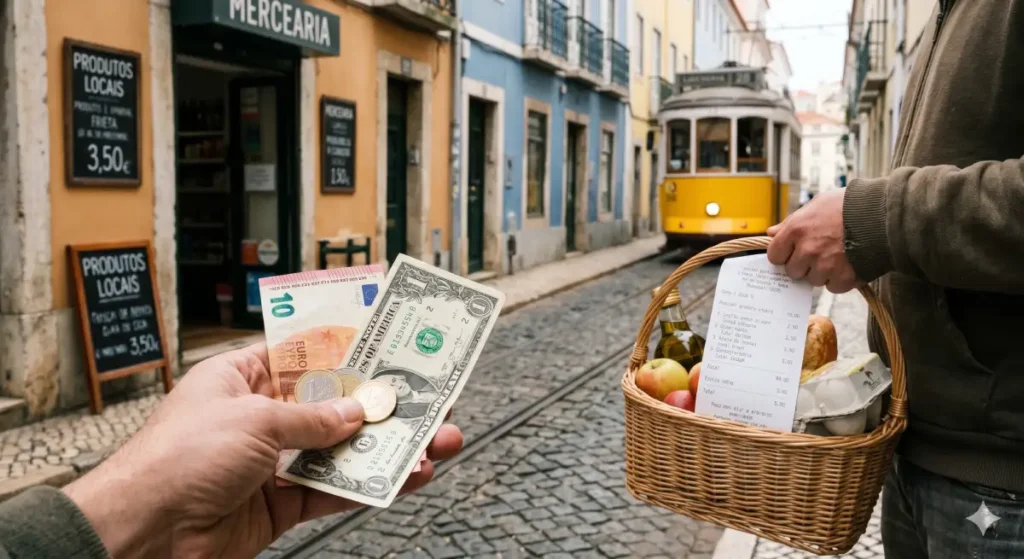

غالباً ما يُنظر إلى الانتقال إلى البرتغال على أنه قرار عملي. جودة حياة أفضل، بيئة أكثر أماناً، نمط حياة أكثر توازناً، وقاعدة استراتيجية في أوروبا. بالنسبة للعديد من العائلات الدولية، يرتبط هذا القرار أيضاً بالتخطيط طويل الأجل., التنوع الجغرافي, الإقامة القائمة على الاستثمار، والاعتبارات الضريبية، والرغبة في خلق المزيد من الخيارات للمستقبل.
لكن وراء الخطوات القانونية والمالية واللوجستية للانتقال إلى البرتغال، هناك جانب آخر من عملية الانتقال غالباً ما يتم تجاهله.
الجانب العاطفي.
قد تفتح لك الإقامة في البرتغال أبوابها. كما يمكن لاستثمار مدروس بعناية أن يدعم خطة إقامة أوروبية طويلة الأمد. وتساعدك قائمة التحقق الخاصة بالانتقال على تنظيم الوثائق، والسكن، والمدارس، والرعاية الصحية، والخدمات المصرفية، والاعتبارات الضريبية.
لكن لا يمكن لأي من هذه الأمور، بمفردها، أن تهيئ الشخص أو الأسرة بشكل كامل للانتقال الداخلي لبناء حياة جديدة في بلد آخر.
الانتقال إلى البرتغال ليس مجرد تغيير في مكان السكن، بل هو تغيير في نمط الحياة، والهوية، والروتين اليومي، والبنية الاجتماعية، والتوقعات، والشعور بالانتماء. بالنسبة للعديد من العائلات، من هنا تبدأ رحلة الانتقال الحقيقية.
الانتقال إلى البرتغال هو أكثر من مجرد قرار يتعلق بنمط الحياة
أصبحت البرتغال واحدة من أكثر الوجهات جاذبية في أوروبا للعائلات الدولية والمستثمرين والمتقاعدين ورجال الأعمال والمهنيين ذوي التنقل العالمي.
الأسباب واضحة. فالبلاد توفر الأمان والاستقرار السياسي وإمكانية الوصول إلى الاتحاد الأوروبي ونظام رعاية صحية قوي يجمع بين القطاعين العام والخاص، ومدارس دولية، ومناخاً ملائماً، ونمط حياة أكثر توازناً، ومجتمعاً دولياً متنامياً.
بالنسبة للكثيرين، يمثل الانتقال إلى البرتغال قراراً مدروساً واستراتيجياً. وقد يكون جزءاً من خطة أوسع للحفاظ على الثروة، وأمن الأسرة، والتخطيط للتقاعد، وتعليم الأطفال، والتنقل في أوروبا، أو الإقامة طويلة الأمد.
بالنسبة للمستثمرين الدوليين، قد يرتبط هذا التخطيط أيضاً بـ تأشيرة البرتغال الذهبية, وخاصة عندما تكون الإقامة جزءًا من استراتيجية أوسع لأمن الأسرة وخيارات الإقامة الأوروبية على المدى الطويل.
ومع ذلك، هناك فرق بين اختيار البرتغال على الورق والتكيف مع البرتغال في الحياة اليومية.
قد يكون القرار الأول عقلانياً. أما العملية الثانية فهي شخصية للغاية.
هذا التمييز مهم لأن نجاح عملية الانتقال لا يُقاس فقط بالموافقة على التأشيرة، أو إتمام الاستثمار، أو إيجاد المنزل، بل يُقاس أيضاً بقدرة الأسرة على الاستقرار والتأقلم وبناء روتين يومي وتكوين علاقات والشعور بالاستقرار العاطفي في البيئة الجديدة.
هذه العملية تستغرق وقتاً.
الفرق بين التغيير والانتقال
يُحدث الانتقال الدولي تغييراً خارجياً فورياً.
تغادر عائلة بلدًا وتصل إلى آخر. يتم استئجار أو شراء منزل جديد. يبدأ عام دراسي جديد. تُفتح حسابات مصرفية جديدة. تُقدّم المستندات. يتم اختيار مقدمي الرعاية الصحية. تُصدر بطاقة الإقامة.
هذه تغييرات مرئية.
لكن التحول النفسي يحدث ببطء أكبر.
لا يتأقلم الناس فور وصولهم. ولا يشعرون بالراحة بمجرد حصولهم على إقامة قانونية. ولا يشعرون بالاطمئنان تلقائياً لمجرد اتخاذهم قراراً مالياً مدروساً.
تتضمن عملية الانتقال التخلي عن العديد من الروابط غير المرئية:
- الروتينات المألوفة
- الهوية المهنية
- القرب العائلي
- الأنظمة المعروفة
- مقدمو خدمات موثوق بهم
- الدوائر الاجتماعية
- راحة اللغة
- الشعور بمعرفة كيفية عمل الأشياء
بالنسبة للأفراد ذوي الإنجازات العالية، قد يكون هذا الأمر مربكاً للغاية.
في وطنهم، قد يعرفون تمامًا من يتصلون به، وكيفية حل المشكلات، وكيفية التعامل مع المؤسسات، وكيفية قراءة الإشارات الاجتماعية، وكيفية ممارسة النفوذ. أما في بلد جديد، فقد تتطلب حتى المهام البسيطة فجأةً الصبر والتواضع والتكيف.
هذا لا يعني أن عملية النقل كانت خطأً، بل يعني أن الانتقال حقيقي.
زيارة البرتغال لا تعني العيش فيها.
يقع الكثير من الناس في حب البرتغال كزوار قبل أن يقرروا الانتقال إليها.
يستمتعون بجمال لشبونة، وأناقة كاسكايس، وعمق بورتو الثقافي، وشواطئ الغارف، وهدوء الساحل الفضي، أو نمط الحياة الجزرية في ماديرا. ويستمتعون بالطعام، والضوء، والهندسة المعمارية، والساحل، والإيقاع الهادئ، والشعور بالأمان.
هذه الانطباعات حقيقية.
لكن العيش في البرتغال يختلف عن زيارتها.
تتيح العطلة للناس تجربة أفضل ما في بلد ما دون الحاجة إلى التعامل مع أنظمته الإدارية، ومشاكل الصيانة، والخدمات اللوجستية المدرسية، والالتزامات الضريبية، والتسجيلات الطبية، والبيروقراطية المحلية، ومحدودية اللغة، أو الجهد اليومي لبناء حياة اجتماعية جديدة.
عندما يزول شعور العطلة، تبدأ الحياة اليومية.
غالباً ما يظهر الجانب الآخر من عملية الانتقال في هذه المرحلة. لا تزال العائلة تُقدّر البرتغال، لكن عليها الآن أن تتعامل مع البلد كمقيمين، لا كضيوف.
هذا تحول صحي وضروري. كما أنه يمثل إحدى أهم مراحل التكيف.
الطبيعة الدقيقة للصدمة الثقافية في البرتغال
لا تظهر الصدمة الثقافية دائماً بشكلٍ حاد. ففي البرتغال، غالباً ما تكون خفية.
تتميز البلاد بكرم ضيافتها وأمانها وتواصلها الدولي، كما يسهل الاستمتاع بها نسبياً. وتُستخدم اللغة الإنجليزية على نطاق واسع في العديد من البيئات الحضرية والمهنية والرعاية الصحية والعقارية والضيافة. ولهذا السبب، يفترض العديد من المقيمين الدوليين أن التأقلم سيكون سهلاً.
لكن الصدمة الثقافية قد تظهر أيضاً في لحظات أصغر.
قد يكون السبب بطء الإجراءات الإدارية، أو تأخر موعد رسمي عن الموعد المتوقع، أو الحاجة إلى عدة متابعات لإصلاح ما، أو عدم وضوح متطلبات المستندات المطلوبة، أو عدم الإلمام بإجراءات مصرفية، أو عدم توافق العادات المحلية مع متطلبات بلد المنشأ.
وقد ينبع ذلك أيضاً من إدراك أن التحدث باللغة الإنجليزية لا يعني بالضرورة الاندماج.
رغم أن اللغة الإنجليزية قد تُسهّل الأشهر الأولى، إلا أن اللغة البرتغالية تظل ضرورية للمشاركة الفعّالة في الحياة اليومية. فتعلم اللغة، ولو تدريجيًا، يُساعد الوافدين الجدد على فهم الثقافة المحلية، وبناء الثقة، والوصول إلى الخدمات بثقة أكبر، وإظهار الاحترام للبلد الذي اختاروه.
بالنسبة للعديد من العائلات المنتقلة، لا يكمن التحدي في مدى ترحيب البرتغال، بل في تعلم كيفية العمل بثقة في نظام له وتيرته ومنطقه وقواعده الاجتماعية الخاصة.
التحول في الهوية وراء الانتقال الدولي
أحد أكثر الجوانب التي يتم التقليل من شأنها عند الانتقال إلى البرتغال هو التحول في الهوية.
يمكن أن يغير الانتقال إلى مكان آخر نظرة الناس لأنفسهم.
قد ينتقل صاحب العمل من كونه شخصية مرموقة في بيئته المهنية إلى الشعور بأنه غير معروف نسبيًا. وقد يتخلى الزوج أو الزوجة عن وظيفته أو شبكة دعمه أو دوره الاجتماعي الواضح. وقد يواجه المتقاعد فجأةً مسألة كيفية تنظيم وقته دون الهوية التي كان يوفرها له العمل. وقد يحتاج الأطفال إلى استعادة ثقتهم بأنفسهم في نظام تعليمي جديد، أو بلغة أخرى، أو بين أقرانهم من خلفيات ثقافية مختلفة.
قد يكون هذا الأمر معقداً من الناحية العاطفية.
غالباً ما يستعد الناس للجوانب العملية للانتقال، ولكن ليس للتجربة النفسية المتمثلة في أن يصبحوا مبتدئين مرة أخرى.
قد يكون تعلم أين تذهب، وكيف تتحدث، وكيف تسأل، وكيف تحجز، وكيف تسجل، وكيف تكوّن صداقات، وكيف تحل المشاكل اليومية أمراً مرهقاً بشكل غير متوقع.
هذا ليس عيباً، بل هو جزء من عملية الانتقال.
إن الانتقال الناجح يتطلب أكثر من مجرد التفاؤل. إنه يتطلب الصبر، والوعي الذاتي، والاستعداد لإعادة بناء جوانب من الحياة كانت تبدو تلقائية في السابق.
كيف يؤثر الانتقال إلى البرتغال على الأزواج والعائلات
بالنسبة للعائلات، نادراً ما تكون تجربة الانتقال إلى البرتغال متشابهة بين جميع الأفراد.
قد يرى أحد الشريكين في هذه الخطوة فرصة استراتيجية، بينما قد يراها الآخر فقداناً للاستقلالية أو الهوية أو الروتين. وقد يشعر الأطفال بالحماس لفكرة الانتقال إلى بلد جديد، لكنهم في الوقت نفسه يشعرون بالقلق من فراق الأصدقاء والمدارس والرياضة والأجداد أو البيئات المألوفة.
قد يؤدي هذا الاختلاف في التوقيت العاطفي إلى حدوث احتكاك.
قد يكون الشخص الذي بادر بالخطوة قد بدأ بالفعل بالتفكير في المستقبل. أما الشخص الذي يشعر بأنه أقل سيطرة على القرار، فقد يكون لا يزال يفكر فيما تركه وراءه.
لهذا السبب يُعدّ التوافق الأسري أمراً بالغ الأهمية.
قبل الانتقال إلى البرتغال، ينبغي على العائلات إجراء محادثات صريحة حول التوقعات والمخاوف والمسؤوليات وتفضيلات نمط الحياة والتعليم والعمل واللغة والأمور المالية والحياة الاجتماعية والتقسيم العملي للمهام بعد الوصول.
أسئلة ينبغي على الأزواج مناقشتها قبل الانتقال
- من سيتولى الأمور الإدارية؟
- كيف سيبني كل شريك حياته الشخصية في البرتغال؟
- ما هي الهوية المهنية أو الاجتماعية التي سيتمتع بها الزوج أو الشريك المرافق؟
- كيف ستتعامل الأسرة مع التوتر خلال السنة الأولى؟
- كيف يبدو النجاح فعلياً لكل شخص؟
بالنسبة للأطفال، ينبغي التعامل مع التكيف بحذر أيضاً.
تُساهم المدارس الدولية والرياضة ودعم اللغة والروتين المألوف وفرص الحفاظ على روابط وثيقة مع الأصدقاء والعائلة في الخارج في تخفيف الاضطرابات العاطفية. يحتاج الأطفال إلى الشعور بالفرح والحزن معًا، إذ يمكن أن يتواجد هذان الشعوران في آن واحد.
قد تكون الخطوة إيجابية ولكنها قد تنطوي على خسارة أيضاً.
إن إدراك هذه الحقيقة يجعل عملية الانتقال أكثر صحة.
الأشهر الستة إلى الثمانية عشر الأولى: لماذا يستغرق التأقلم وقتاً
تستهين العديد من العائلات الدولية بالفترة الأولى التي تتراوح بين 6 إلى 18 شهرًا بعد الانتقال.
قد تبدو المرحلة الأولى مثيرة. كل شيء جديد. المناظر الطبيعية خلابة. المطاعم والأحياء والشواطئ والمقاهي والتجارب الثقافية تخلق شعوراً بالاكتشاف.
ثم يبدأ الواقع العملي.
يتعين على الأسرة بناء روتين يومي، وإدارة الأوراق، وفهم الأنظمة، وإيجاد مقدمي خدمات موثوق بهم، وإنشاء علاقات اجتماعية، والتكيف مع جداول المدارس، والتعامل مع الرعاية الصحية، وتعلم الإيقاع المحلي.
قد تبدو هذه المرحلة المتوسطة غير مستقرة عاطفياً.
تؤكد بعض الأيام صحة القرار، بينما تثير أيام أخرى الشكوك. وهذا لا يعني بالضرورة فشل عملية الانتقال، بل يعني عادةً أن العائلة تنتقل من فكرة العيش في البرتغال إلى واقعها المعاش.
بمرور الوقت، تبدأ نقاط ارتكاز صغيرة بالتشكل.
- مقهى مفضل
- طبيب موثوق به
- مسار مشي منتظم
- الروتين المدرسي
- سوق محلي
- فصل لغة
- صيدلي معروف
- مجموعة من الأصدقاء
- نادي رياضي
- حيٌّ تصبح فيه الوجوه مألوفة
غالباً ما تكون هذه الروابط الصغيرة هي ما يحول الانتقال إلى شعور بالانتماء.
العملية تدريجية. ينبغي على العائلات أن تمنح نفسها الوقت الكافي قبل الحكم على نجاح هذه الخطوة.
الواقع العملي في البرتغال: ما يجب أن تتوقعه العائلات
تقدم البرتغال العديد من المزايا للعائلات الدولية، ولكن من الضروري وضع توقعات واقعية.
يُمكن للبلاد أن تُوفر مستوى معيشة ممتازًا، لكنها لا تخلو من التحديات العملية. قد تكون الإجراءات البيروقراطية بطيئة، وقد تكون المتطلبات الإدارية غير واضحة، وقد يكون التنافس على السكن في المناطق المرغوبة شديدًا، وقد تحتاج العقارات القديمة إلى تعديلات. وتختلف سرعة وسهولة الوصول إلى الخدمات العامة. غالبًا ما تكون الخدمات الخاصة مفيدة، لكن اختيار مقدمي الخدمات المناسبين يتطلب عناية.
وهذا الأمر مهم بشكل خاص للعائلات التي تنتقل من بلدان تكون فيها الخدمات أسرع أو أكثر مركزية أو أكثر ألفة.
في البرتغال، غالباً ما يكون الصبر جزءاً من العملية.
هذا لا يقلل من نقاط قوة البلاد، بل يسلط الضوء على أهمية الاستعداد.
ينبغي على العائلات التي تنتقل إلى البرتغال أن تفهم الاختلافات الإقليمية قبل اختيار مكان الإقامة. فمناطق مثل لشبونة، وكاسكايس، وبورتو، والغارف، والساحل الفضي، وماديرا، والمدن الصغيرة، قد تقدم أنماط حياة وتكاليف ومجتمعات وخيارات مدرسية وخدمات رعاية صحية وبيئات اجتماعية مختلفة تماماً.
قد يكون قضاء وقت مطول في البرتغال قبل اتخاذ القرار النهائي مفيدًا للغاية. كما أن الزيارة خارج موسم الذروة السياحية مهمة أيضًا، إذ قد تختلف الحياة اليومية في الشتاء عن رحلة صيفية. وللحصول على فهم أوسع لمناطق البرتغال وأسلوب الحياة فيها ووجهاتها السياحية، يمكن الاستعانة بموارد السياحة الرسمية مثل: قم بزيارة البرتغال كما يمكن أن يساعد العائلات على مقارنة البلد بما يتجاوز المناطق السياحية المعتادة للانتقال إليها.
إن اختيار الموقع المناسب ليس مجرد قرار عقاري، بل هو قرار يتعلق بنمط الحياة والاندماج.
الاستعداد العاطفي قبل الانتقال إلى البرتغال
تبدأ عملية الانتقال السلسة قبل الوصول.
غالباً ما تكون العائلات التي تتكيف بشكل أفضل ليست تلك التي تتوقع أن يكون كل شيء سهلاً، بل هي تلك التي تستعد بواقعية.
المجالات الرئيسية للتحضير
- مناقشة التوقعات بصراحة كزوجين أو كعائلة
- الاعتراف بما يتركه كل شخص وراءه
- البحث في الأحياء بما يتجاوز الانطباعات النمطية عن نمط الحياة
- زيارة البرتغال لفترات أطول قبل الانتقال
- فهم الخيارات المدرسية مبكراً
- تعلم أساسيات اللغة البرتغالية قبل الوصول
- التخطيط المسبق للرعاية الصحية والتأمين
- توضيح الإجراءات الضريبية والمصرفية والقانونية قبل الانتقال
- توفير السيولة خلال أول 12 إلى 24 شهرًا
- تجنب اتخاذ القرارات المتسرعة تحت الضغط
- بناء شبكة دعم محلية في أقرب وقت ممكن
ومن المفيد أيضاً تحديد ما يُفترض أن تكون عليه السنة الأولى.
لا ينبغي بالضرورة تقييم السنة الأولى بعد الانتقال إلى البرتغال من خلال الإنتاجية أو الكمال أو الاندماج الكامل. بل من الأفضل اعتبارها سنة تأسيسية.
- عام للتعلم
- عام للمراقبة
- عام لبناء الأنظمة
- عام لخلق الروتين
- عامٌ ليتسنى للعائلة التأقلم
يقلل هذا المنظور من الضغط ويساعد العائلات على التعامل مع الانتقال كعملية وليس كاختبار.
طرق عملية لتسهيل عملية الانتقال
هناك عدة خطوات عملية يمكن أن تجعل الانتقال إلى البرتغال أسهل من الناحية العاطفية والعملية.
بناء الروتينات بسرعة
الروتين يخلق الاستقرار. حتى الأنماط البسيطة يمكن أن تساعد: المشي الصباحي، دروس اللغة، ممارسة الرياضة بانتظام، وجبات العشاء العائلية الأسبوعية، الأنشطة المدرسية، فترات العمل، أو زيارات لنفس الأماكن المحلية.
تعلم اللغة البرتغالية تدريجياً
لا يُشترط إتقان اللغة في البداية، لكن بذل الجهد أمرٌ بالغ الأهمية. حتى معرفة أساسيات اللغة البرتغالية كفيلة بتغيير نمط الحياة اليومية للعائلة. كما أنها تُعزز الاحترام وتُقلل الاعتماد على البيئات الناطقة باللغة الإنجليزية.
انضم إلى المجتمعات عن قصد
نادراً ما تنشأ الصداقات تلقائياً بعد الانتقال. ينبغي على العائلات أن تسعى بنشاط إلى بناء مجتمعات من خلال المدارس، والرياضة، والمجموعات المهنية، والأنشطة الثقافية، والتطوع، ودروس اللغة، والمجتمعات الدينية، والنوادي، أو شبكات المغتربين والشبكات المحلية.
تجنب المقارنة المستمرة
قد تُصعّب مقارنة كل نظام بالنظام السابق عملية التكيف. فالبرتغال لها وتيرتها الخاصة، ونقاط قوتها، ونقاط ضعفها، ومنطقها الخاص. لذا، فإن فهم البلد وفقًا لظروفه الخاصة أمرٌ ضروري.
حماية القدرة العاطفية للعائلة
قد ينطوي العام الأول على العديد من القرارات. فالسكن، والمدارس، والخدمات المصرفية، والوثائق، والضرائب، والرعاية الصحية، والمواصلات، والتأمين، والتسجيلات المحلية، كلها أمور قد تُسبب إرهاقًا نفسيًا. لذا، فإن تفويض المهام المعقدة إلى مستشارين موثوقين يُساعد في الحفاظ على طاقة الأسرة للتأقلم.
تقبّل المشاعر المختلطة
من الممكن أن تحب البرتغال ومع ذلك تشتاق إلى وطنك. من الممكن أن تشعر بالامتنان والفرح. من الممكن أن تعرف أن القرار كان صائباً ومع ذلك تمر بأيام صعبة.
الانتقال ليس عملية خطية عاطفياً.
لماذا تُعدّ التوجيهات الاستراتيجية مهمة بما يتجاوز التأشيرة؟
تبدأ العديد من العائلات عملية الانتقال بالاستفسار عن كيفية الحصول على الإقامة في البرتغال.
هذا سؤال مهم، ولكنه ليس السؤال الوحيد.
ويطرح نهج أكثر شمولاً السؤال التالي:
- أين ينبغي أن تسكن العائلة؟
- أي بيئة مدرسية تناسب الأطفال بشكل أفضل؟
- كيف ستتم إدارة الرعاية الصحية؟
- ما هي الالتزامات الضريبية التي يجب مراجعتها قبل الانتقال؟
- كيف ينبغي تنظيم الأصول والدخل وتخطيط التركة والسيولة؟
- ما هو الجدول الزمني المناسب لأهداف الأسرة طويلة المدى؟
- كيف يمكن تقليل الاحتكاك الإداري غير الضروري؟
- ما نوع الدعم الذي ستحتاجه الأسرة بعد وصولها؟
بالنسبة للعائلات التي تسلك مسار الإقامة القائم على الاستثمار، غالبًا ما تترافق هذه الأسئلة مع مسائل فنية مثل الأهلية، والخدمات المصرفية، والضرائب، وإعداد المستندات، والتنسيق القانوني، والتخطيط الاستثماري. ولهذا السبب، فإن فهم الصورة الأوسع نظام صناديق الاستثمار في برنامج التأشيرة الذهبية للبرتغال يمكن أن يكون ذلك مفيدًا للمستثمرين الذين يرغبون في أن تتوافق استراتيجية إقامتهم مع أهدافهم العائلية طويلة الأجل.
البوابة الرسمية للخدمات العامة البرتغالية،, gov.pt, ويمكن أن تكون أيضًا نقطة مرجعية مفيدة لفهم كيفية تنظيم الخدمات العامة والمعلومات الإدارية في البرتغال.
وهنا تبرز أهمية جودة الدعم الاستشاري.
قد يركز النهج الإجرائي على المستندات والطلبات والمواعيد النهائية فقط. أما النهج الاستراتيجي فيأخذ في الاعتبار الصورة الأوسع: الإقامة القانونية، وهيكل الاستثمار، والترتيبات العائلية، والوعي الضريبي، وتخطيط الثروة، وملاءمة نمط الحياة، والاستعداد العاطفي، والاندماج طويل الأمد.
بالنسبة للمستثمرين الحاصلين على تأشيرة الإقامة الذهبية في البرتغال، فإن هذا التمييز مهم بشكل خاص.
قد يفتح هذا الاستثمار الباب أمام الحصول على الإقامة. لكن نجاح هذه الخطوة يعتمد على ما إذا كانت الأسرة قادرة على بناء حياة مستقرة وذات معنى ومتوافقة مع أهدافها طويلة المدى.
لا يمكن للدعم المناسب أن يزيل كل التحديات، ولكنه يستطيع أن يقلل من حالة عدم اليقين، ويمنع الأخطاء التي يمكن تجنبها، ويساعد الأسر. اتخذ قرارات أفضل قبل أن يتفاقم الضغط.
للعائلات التي تسعى للحصول على دعم منظم،, the blue portugal يعمل مع عملاء دوليين في جميع أنحاء البرتغال في مجال التأشيرة الذهبية، وتخطيط الإقامة، وتنسيق الاستثمار، والتحضير للانتقال، والدعم الاستشاري طويل الأجل.
الرعاية الصحية والمدارس والحياة اليومية: التخطيط لما بعد الوصول الأول
بالنسبة للعديد من العائلات، تُعتبر الرعاية الصحية والتعليم من أهم الركائز العاطفية بعد الانتقال إلى البرتغال.
قد تشعر العائلة بالاستقرار القانوني، لكنها لا تزال تعاني من عدم الأمان النفسي إذا لم تكن تعرف أين تتلقى الرعاية الطبية، أو أي طبيب تتصل به، أو كيف يعمل التأمين الصحي الخاص، أو كيف يمكن الوصول إلى نظام الرعاية الصحية العامة. يمكن للمقيمين القانونيين في البرتغال الحصول على رقم مستخدم الخدمة الصحية الوطنية، المعروف برقم SNS، والذي يتيح لهم الوصول إلى خدمات الرعاية الصحية العامة. بالنسبة للعديد من العائلات المنتقلة، فإن فهم هذا الأمر مبكرًا يساعد في تقليل حالة عدم اليقين خلال الأشهر الأولى.
وينطبق الأمر نفسه على التعليم.
إن اختيار المدرسة ليس مجرد قرار أكاديمي، بل يؤثر على الصداقات، والروتين العائلي، والتعرض للغات، والاندماج الاجتماعي، ووقت التنقل، والحالة النفسية للأسرة. لذا، ينبغي على العائلات مقارنة خيارات المدارس الحكومية والخاصة وثنائية اللغة والدولية، مع تخصيص وقت كافٍ لفهم ليس فقط المناهج الدراسية والرسوم، بل أيضاً المجتمع المحلي، والموقع، والدعم اللغوي، وشخصية الطفل.
في كلا المجالين، يقلل التحضير من التوتر.
إن الأسرة التي تصل بخطة واضحة للرعاية الصحية، وخيارات المدارس، والتأمين، والتسجيل المحلي، وجهات الاتصال في حالات الطوارئ، ستشعر عادةً بمزيد من الاستقرار مقارنةً بالأسرة التي تحاول حل كل شيء بعد وصولها فقط.
تحويل الانتقال إلى إعادة ابتكار
إن الجوانب السلبية للانتقال إلى البرتغال ليست سبباً لتجنب الانتقال، بل هي سبب للتعامل معه بنضج.
كل مرحلة انتقالية مهمة في الحياة تنطوي على حالة من عدم اليقين. والانتقال إلى الخارج يزيد من وضوح هذه الحالة. فهو يدفع الناس إلى إعادة النظر في عاداتهم وهويتهم وأولوياتهم وعلاقاتهم ومعنى الوطن.
بالنسبة للعديد من العائلات، تصبح هذه العملية واحدة من أهم جوانب عملية الانتقال.
تُوفر البرتغال الأمان والجمال وسهولة الوصول والاستقرار وجودة الحياة. لكن الفرصة الأعمق لا تقتصر على الجوانب الخارجية فحسب، بل تشمل أيضاً إمكانية بناء حياة أكثر وعياً وهدفاً.
قد يُتيح الإيقاع البطيء مساحةً للتأمل. وقد تُعيد البيئة الجديدة ترتيب أولويات الأسرة. وقد تُوسّع الثقافة المختلفة الآفاق. وقد تُساعد البداية الجديدة الأفراد على التمييز بين ما يُقدّرونه حقًا وما ورثوه ببساطة من روتينهم السابق.
لا ينبغي التعامل مع الانتقال إلى البرتغال على أنه مجرد خيال، بل يجب التعامل معه على أنه انتقال جاد وشخصي واستراتيجي.
عند التخطيط الجيد، يمكن أن يصبح الأمر أكثر بكثير من مجرد انتقال.
يمكن أن يصبح ذلك إعادة ابتكار مدروسة لكيفية رغبة الأسرة في العيش والانتماء والتخطيط للمستقبل.
التخطيط لانتقالك إلى البرتغال مع الدعم المناسب
لا يقتصر الانتقال على الحصول على تصريح إقامة فحسب، بل يتعلق بفهم كيفية ترابط القرارات القانونية والمالية والعائلية والعاطفية وقرارات نمط الحياة بمرور الوقت.
بالنسبة للعائلات التي تفكر في البرتغال كجزء من استراتيجية أوسع للإقامة أو الاستثمار أو التخطيط طويل الأجل، يمكن أن يساعد التوجيه المبكر في تحويل حالة عدم اليقين إلى هيكل منظم.
نادراً ما تكون الخطوات الأكثر نجاحاً مرتجلة. بل يتم إعدادها بوضوح، وتوقعات واقعية، ونظام دعم مناسب.
إذا كنت تخطط للانتقال إلى البرتغال من خلال التأشيرة الذهبية البرتغالية أو أي مسار إقامة آخر،, تواصل مع ذا بلو بورتوغال لمناقشة كيفية وضع استراتيجية الانتقال الخاصة بك بثقة منذ البداية.